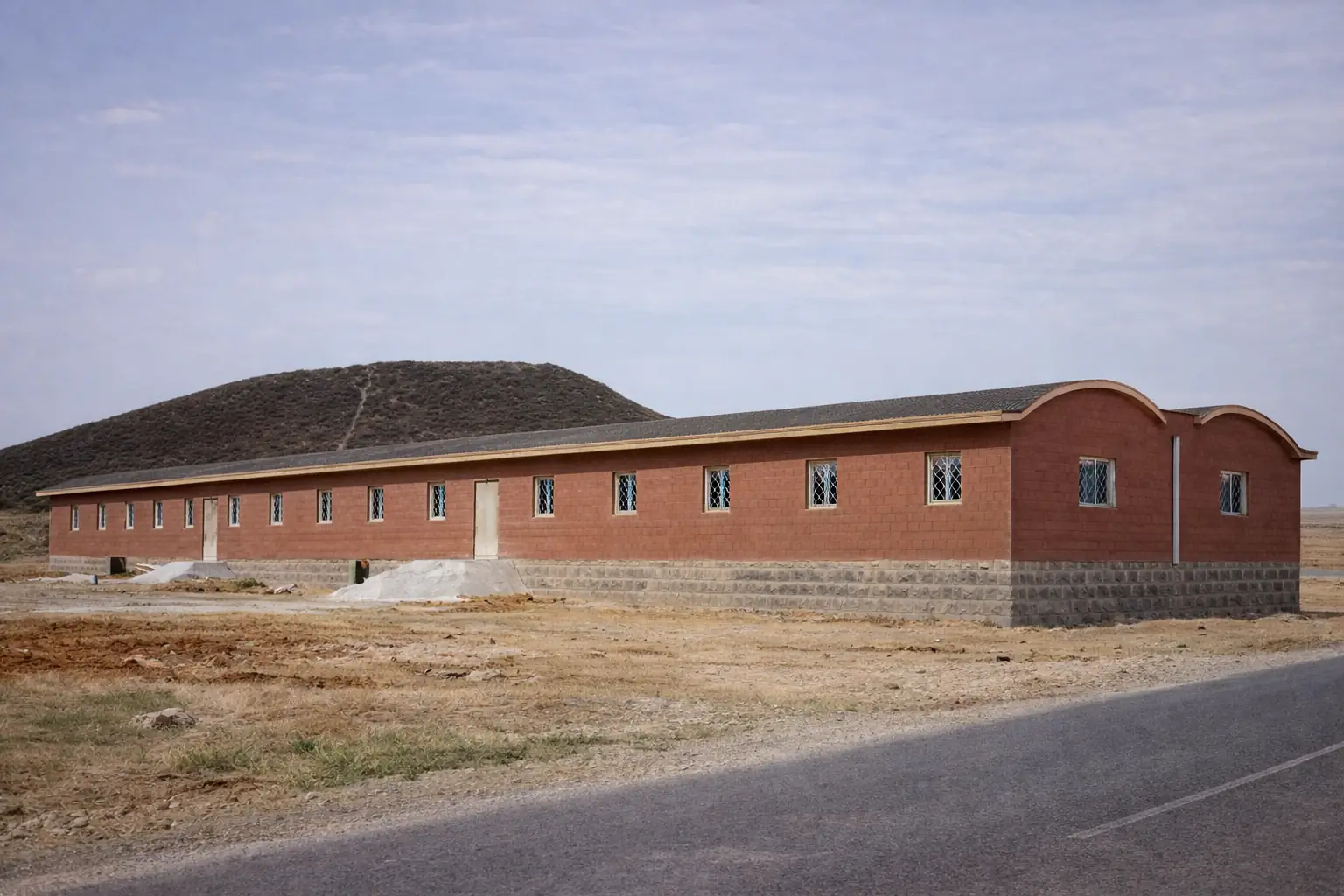
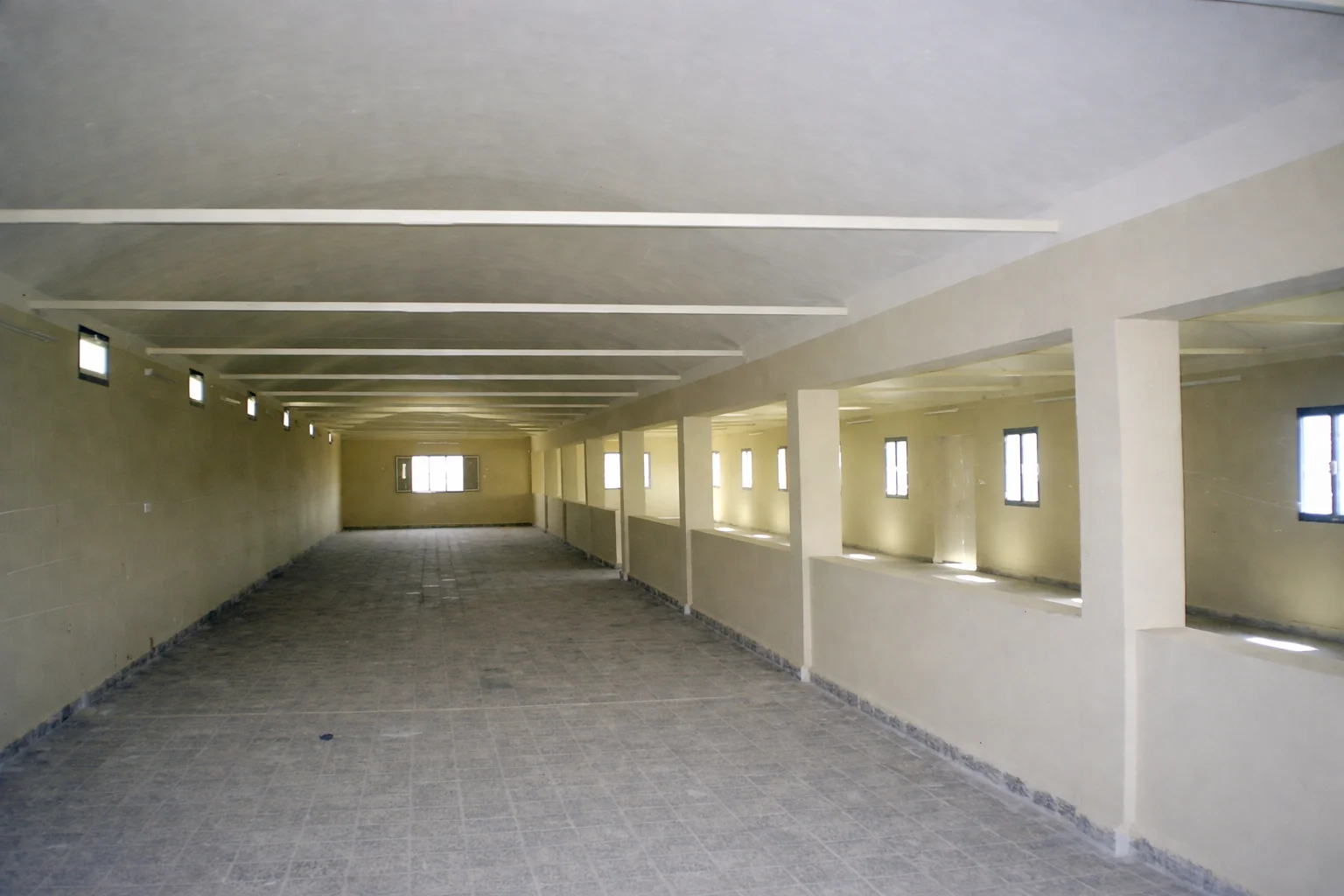
Military Facilities – Soldier Barracks Program (2000–2002)
Over 100,000 Square Feet of Field-Proven Military Infrastructure
Project Overview
-
Building Type: Military Facilities – Soldier Barracks
-
Delivery Period: 2000–2002
-
Total Buildings Constructed: 11 units
-
Total Built Area: 100,000+ sq. ft.
-
Building System: BeneCent Lightweight Concrete System
-
Primary Material Innovation: Pumice Lightweight Concrete (AAC Alternative)
Engineering Innovation: Pumice Concrete Instead of AAC
-
At the time of construction, AAC materials were not available locally.
-
BeneCent initiated in-house research and material development to overcome supply limitations.
-
This effort resulted in a locally produced lightweight concrete using pumice aggregate, engineered to deliver:
-
Reduced structural weight
-
High thermal performance
-
Structural load-bearing capacity
-
Long-term durability
-
-
The solution ensured project continuity, cost control, and independence from imported AAC systems.
Performance Advantages of Pumice Lightweight Concrete
-
Lower Density: Reduced dead load compared to normal-weight concrete, decreasing foundation demand.
-
Thermal Efficiency: Improved indoor temperature stability for soldier comfort in harsh climates.
-
Fire & Moisture Resistance: Non-combustible, mineral-based material suited for military safety requirements.
-
Durability: Resistant to pests, decay, and environmental degradation.
-
Structural Capability: Suitable for continuous military occupancy and long service life.
Designed for Military Operational Needs
-
Barracks optimized for rapid deployment, repeated use, and low maintenance.
-
Acoustic and thermal comfort reduces fatigue and supports operational readiness.
-
Modular design allowed efficient replication across multiple sites and camps.
Construction Speed & Deployment Efficiency
-
Lightweight pumice concrete enabled faster construction cycles than conventional systems.
-
Simplified logistics using locally sourced materials reduced risk and dependency.
-
Early commissioning supported timely occupation of military facilities.
Safety-Oriented Structural Design
-
BeneCent’s arched roof geometry, combined with lightweight materials:
-
Improves structural behavior under extreme loading conditions.
-
Reduces confinement effects during internal pressure events.
-
Helps dissipate forces more favorably than rigid flat-roof structures.
-
-
While not blast-proof, the system contributes to improved structural response and occupant survivability.