Cost reduction in construction is most effective when it is achieved through intelligent design, proven constructability, and material efficiency—not by compromising quality or performance. BeneCent’s building system has been refined over more than 30 years to deliver consistent, measurable cost savings while maintaining high structural, thermal, and durability standards.
Key Aspects of BeneCent’s Cost Reduction
1. High Productivity and Faster Capital Turnover
BeneCent’s constructability procedures are optimized for speed and efficiency. The system is capable of achieving production rates of up to 500 square feet per form per day, significantly accelerating project timelines.
This high output shortens the overall construction schedule, reduces financing and overhead costs, and enables faster project completion. A shorter capital cycle allows owners and developers to realize returns sooner, improving overall project economics.
2. Simplified Construction and Labor Efficiency
BeneCent’s construction methods are intentionally straightforward, eliminating the need for complex equipment, advanced technology, or highly specialized labor. With decades of field experience and successful implementation in multiple countries, the system has proven to be easily transferable across different labor markets.
Unskilled labor can be trained to install BeneCent roofing systems in as little as two weeks. This dramatically reduces labor costs, minimizes dependence on scarce skilled trades, and improves workforce flexibility—especially valuable in remote or labor-constrained regions.
3. Material Efficiency through Lightweight Concrete
The use of lightweight materials such as Aeron AAC or pumice-based concrete delivers multiple cost advantages. Reduced structural weight lowers load demands on foundations and supporting elements, allowing for smaller foundations and less reinforcement.
Because these materials require lower-strength concrete and mortar in many applications, cement consumption is reduced—one of the most significant cost drivers in construction. This results in direct material savings while also lowering environmental impact.
4. Optimized Structural Geometry and Roofing Design
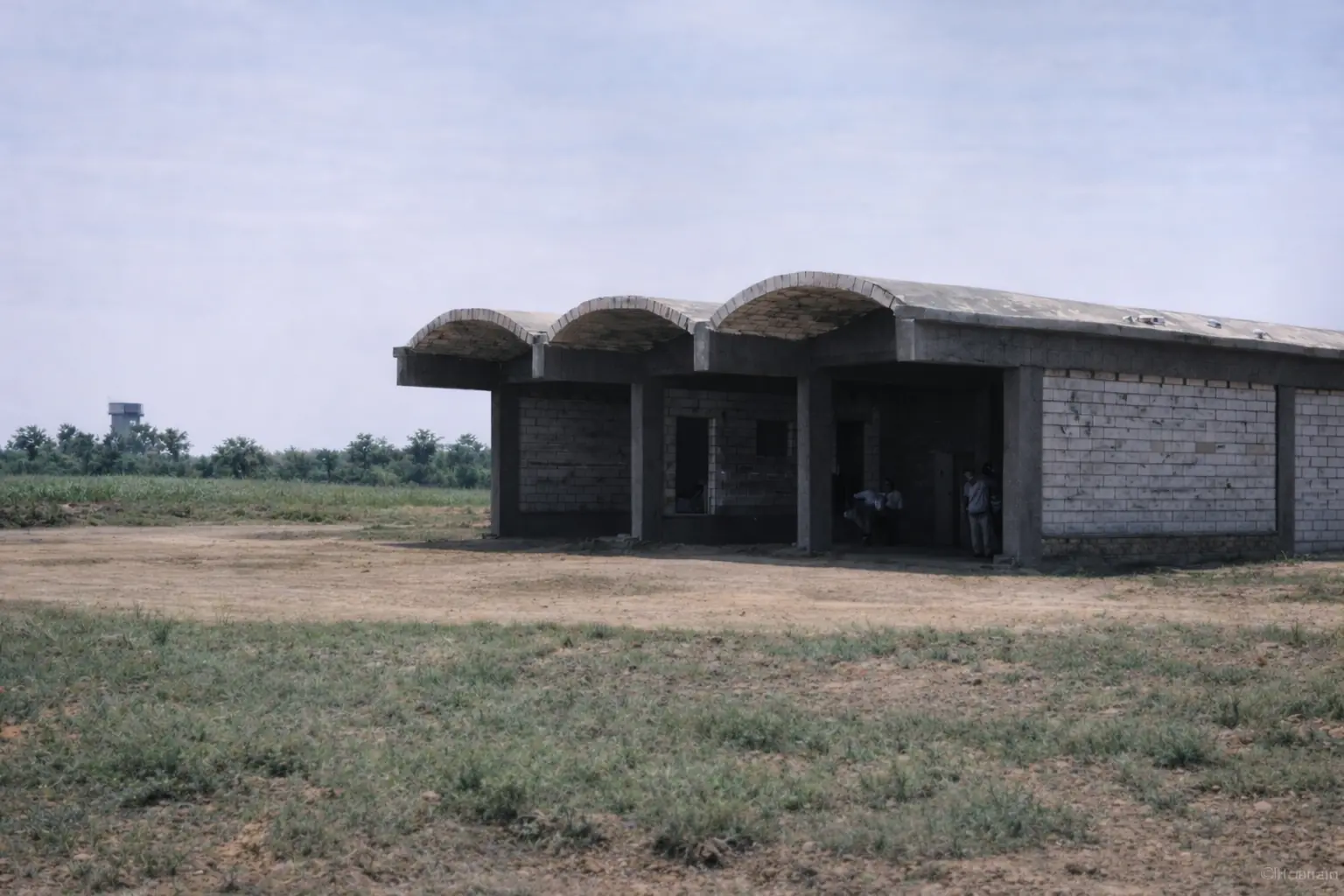
BeneCent’s segmental arch roofing system is a key contributor to cost efficiency. The curved geometry reduces the quantity of roofing materials required while simultaneously increasing vertical load-bearing capacity.
This structural efficiency minimizes the need for additional reinforcement, reduces long-term deflection, and lowers the risk of water leakage—cutting both initial construction and future maintenance costs.
5. Integrated Thermal Performance
Lightweight concrete used in BeneCent buildings provides inherent thermal insulation. This reduces or eliminates the need for separate insulation layers, lowering material, labor, and installation costs. Over time, this integrated thermal performance also reduces operational energy expenses, amplifying total cost savings.
6. Measurable Overall Cost Savings
By combining high construction speed, simplified labor requirements, material efficiency, optimized structural design, and integrated insulation, BeneCent consistently delivers construction cost reductions of approximately 20–40% compared to traditional building methods.
Conclusion
BeneCent’s cost reduction strategy is holistic and proven. It addresses every major cost driver in construction—time, labor, materials, and long-term performance. The result is a building system that delivers superior value, faster delivery, and lasting economic benefits without sacrificing safety, durability, or quality.